Table of Contents
Imagine this: you’re perched on a rocky shoreline at dawn, the only sounds are lapping waves and crackling embers. Instead of wrestling with a fussy camp stove, you’re effortlessly monitoring a rich smoke ring forming on perfectly grilled salmon, the aroma mingling with pine-scented air. Portable pellet grills have transformed outdoor cooking from a chore into a seamless extension of the adventure itself. No longer confined to your backyard, the precision and flavor of wood-fired cooking are now genuinely mobile, turning remote campsites, tailgate parties, and even impromptu beach gatherings into gourmet destinations. It’s not just about convenience; it’s about elevating every moment spent outdoors with restaurant-quality results, without sacrificing the rugged spirit of exploration.
Yet, the promise of effortless, smoky perfection on the go can quickly sour if you choose the wrong companion for your journey. Hauling a cumbersome unit that eats through pellets like a hungry bear, struggles in a stiff breeze, or conks out mid-cook due to poor insulation isn’t an adventure—it’s a frustration waiting to happen. The market is flooded with options claiming “portability,” but true adventure-ready grills demand far more than just a carrying handle. They need to be resilient travel partners, balancing compact design with robust performance, intuitive operation even when your hands are cold, and the ability to deliver consistent, low-and-slow magic or searing heat wherever the trail takes you. Understanding what truly makes a pellet grill worthy of your precious cargo space is the key to unlocking stress-free, flavor-packed adventures.
Top 10 Portable Pellet Grills
Detailed Product Reviews
1. Pit Boss PB150PPG Table Top Wood Pellet Grill, Black - 11091

Overview: The Pit Boss PB150PPG is a compact tabletop pellet grill designed for portability without sacrificing high-heat performance. It targets outdoor cooking enthusiasts seeking authentic wood-fired flavor in a space-efficient package, ideal for balconies, patios, or tailgating.
What Makes It Stand Out: Its standout feature is the Flame Broiler, enabling direct-flame searing up to 1,000°F for restaurant-quality crusts—a rarity in small-format pellet grills. The 7 lb. hopper provides extended cooking time, while porcelain-coated cast iron grates ensure even heat retention and durability.
Value for Money: Priced competitively against similar-sized grills, it delivers exceptional value with its searing capability and robust build. Cheaper alternatives often lack high-heat functionality, making this a smart investment for serious flavor seekers.
Strengths and Weaknesses: Strengths: Unmatched searing power; durable cast iron grates; reliable convection airflow. Weaknesses: Limited to one meat probe; smaller cooking area (150 sq. in.) restricts batch sizes; hopper refill needed for >5-hour smokes.
Bottom Line: A top pick for searing enthusiasts needing portability, though best suited for small gatherings due to its compact cooking surface.
2. PIT BOSS 10697 Table Top Wood Grill With Temperature Control, Mahogany

Overview: This mahogany-finished tabletop pellet grill offers versatile cooking in a stylish, compact form. It’s engineered for beginners and experienced users wanting precise temperature management in a portable unit for decks, campsites, or small kitchens.
What Makes It Stand Out: The dual-mode Slide-Plate system enables effortless switching between indirect smoking (180°F–500°F) and direct-flame searing up to 1,000°F. The digital control board with LED readout ensures consistent temps, while 256 sq. in. of cooking space accommodates larger meals.
Value for Money: It rivals pricier models with its mahogany aesthetic and dual-flame versatility. Budget pellet grills rarely include precise digital controls or sear capability, justifying its mid-range cost for frequent users.
Strengths and Weaknesses: Strengths: Intuitive temperature dial; generous cooking area; seamless transition from smoke to sear. Weaknesses: 5 lb. hopper limits long cooks; porcelain steel grates require more maintenance than cast iron; no included meat probe.
Bottom Line: Excellent for versatile cooking in tight spaces, though hopper size may frustrate low-and-slow smokers.
3. Z GRILLS 2026 200A Table Top Wood Pellet Grill, Pellet Smoker with PID V3.0 Controller, Meat Probes, 202 sq.in Cooking Area, Fit for RVs, Road Trips & Apartments

Overview: Z GRILLS’ 200A is a hyper-portable pellet grill/smoker engineered for RVers, apartment dwellers, and travelers. Its ultra-compact footprint (25”x20”x13”) and 8.5 lb. hopper prioritize mobility without compromising multi-functionality.
What Makes It Stand Out: The PID V3.0 controller maintains temps within ±20°F (180°F–450°F), rivaling larger grills. Combined with 8-in-1 cooking modes (smoke, sear, etc.) and a 10-hour hopper runtime, it offers professional precision for on-the-go use.
Value for Money: Outstanding for its niche—portability-focused buyers get restaurant-grade tech at a fair price. Cheaper portables often lack PID accuracy, while premium travel grills cost significantly more.
Strengths and Weaknesses: Strengths: Exceptional portability; reliable PID control; large hopper for size; 3-year warranty. Weaknesses: Smallest cooking area here (202 sq. in.); max temp (450°F) limits searing; non-stick grates may degrade over time.
Bottom Line: The go-to for RV trips or small-space cooking, though serious sear lovers should consider higher-heat alternatives.
4. Louisiana Grills LG300SL Portable Pellet Grill, Black, Small
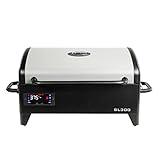
Overview: The LG300SL balances portability with expanded cooking capacity, featuring 333 sq. in. of grill space—ideal for families or group gatherings in backyards, campsites, or tailgates.
What Makes It Stand Out: Its spacious cooking surface outperforms most portables, while SearTECH achieves 1,000°F direct-flame searing. The PID-controlled digital board and dual meat probe ports (one probe included) enhance precision for multi-item cooks.
Value for Money: Justifies its premium pricing with commercial-grade searing and ample room. Comparable grills either skimp on space or lack high-heat features, making this a cost-effective upgrade for frequent entertainers.
Strengths and Weaknesses: Strengths: Largest cooking area in class; excellent sear performance; dual probe monitoring. Weaknesses: Heavier than competitors (less “portable”); 120V-only power limits off-grid use; porcelain steel grates prone to chipping.
Bottom Line: Best for those prioritizing cooking capacity and searing, but less suited for true off-grid adventures.
5. Portable Electric Smoker Grill by Freedom Stoves – 12V/120V Pellet BBQ for Camping, Tailgating & Backyard | Digital Control, Dual Probes, 8.5LB Hopper

Overview: Freedom Stoves’ dual-power pellet grill excels in extreme portability, running on 12V (car battery) or 120V. Built for overlanders, campers, and tailgaters, it merges rugged durability with smart tech in a compact chassis.
What Makes It Stand Out: The 12V/120V versatility is unmatched, enabling cooking anywhere—from remote campsites to backyard outlets. An 8.5 lb. hopper, peaked lid for tall meats, and dual included probes deliver pro results without grid dependence.
Value for Money: Premium-priced but justified by its adventure-ready engineering. Few portables offer true dual power; this pays off for RVers who’d otherwise need generators with cheaper models.
Strengths and Weaknesses: Strengths: Unrivaled power flexibility; weather-resistant build; dual probes included; peaked lid accommodates turkeys/ribs. Weaknesses: Smaller cooking area (200 sq. in.) than LG300SL; higher cost; basic digital interface.
Bottom Line: Essential for off-grid enthusiasts, though casual users might prefer simpler, cheaper options.
6. Ninja | Grill & Smoker | Outdoor Woodfire Pro XL | 4 in 1 Grill, BBQ Smoker, Air Fryer & Bake | Portable | Includes Built in Thermometer & 2 Woodfire Pellet Packs | Dark Grey | OG850

Overview: The Ninja Woodfire Pro XL is an electric-powered outdoor grill/smoker hybrid designed for woodfire flavor without propane or charcoal. It leverages wood pellets for authentic smoke but operates via standard electrical outlet, targeting convenience-focused users.
What Makes It Stand Out: Its 4-in-1 functionality (grill, smoker, air fryer, oven) and included precision thermometer simplify multi-method cooking. The XL capacity (180 sq. in.) accommodates large meals like two racks of ribs, while pellet packs enable immediate use. Electric operation eliminates fuel storage hassles.
Value for Money: Priced mid-range, it offers strong value for urban dwellers or those with restricted outdoor fuel options. While pellet consumption adds ongoing cost, the versatility replaces multiple appliances. Cheaper than dedicated pellet grills but less authentic than wood-fired competitors.
Strengths and Weaknesses: Strengths: Hassle-free electric ignition; real-time thermometer; compact portability; easy pellet integration. Weaknesses: Limited to 500°F max (restricting searing); pellet flavor less intense than true wood-burning smokers; requires electrical access.
Bottom Line: Ideal for apartment balconies or patios where open flames are prohibited, but serious BBQ enthusiasts may prefer dedicated pellet smokers for deeper smoke flavor. A solid convenience-focused entry.
7. Cuisinart 8-in-1 Portable Wood Pellet Grill and Smoker, Compact for RV, Tailgates, Camping, and Backyard Cooking, Smoky Flavor, Versatile Meat Smoker

Overview: Cuisinart’s portable pellet grill delivers 8 cooking methods in a compact frame, emphasizing mobility for RV trips or small backyards. It uses wood pellets for genuine smoke flavor while maintaining digital precision.
What Makes It Stand Out: The 256 sq. in. cooking space (with warming rack) and 8-in-1 versatility (smoke, bake, char-grill, etc.) outshine rivals in its class. The locking lid, carry handle, and 40-lb weight optimize portability, while the PID controller ensures consistent 180°F–500°F temperatures.
Value for Money: Competitively priced for its features, it undercuts premium brands like Traeger. The pellet efficiency and included probe justify costs for frequent travelers, though ongoing pellet expenses apply. Excellent for tailgaters seeking restaurant-quality results.
Strengths and Weaknesses: Strengths: Exceptional portability; precise digital controls; versatile cooking zones; robust build. Weaknesses: Hopper capacity limits long smokes; warming rack space is minimal; assembly instructions can be unclear.
Bottom Line: A top pick for campers and tailgaters needing reliable, multi-functional smoking/grilling in a travel-ready package. Avoid for marathon 12+ hour cooks due to hopper size.
8. Traeger Grills TFT18KLD Ranger, Portable Wood Pellet Grill and Smoker – Electric Tabletop Pellet Smoker with Digital Arc Controller, Cast Iron Griddle, For Tailgating and Outdoor Cooking

Overview: Traeger’s Ranger is a premium portable pellet grill leveraging the brand’s signature Digital Arc Controller for precise wood-fired cooking. It targets serious outdoor chefs needing restaurant-grade results on the go.
What Makes It Stand Out: The Digital Arc Controller enables Wi-Fi-enabled temp adjustments and auto-shutdown, while Advanced Grilling Logic ensures thermal consistency. The included cast iron griddle and porcelain grates expand cooking flexibility beyond typical portables.
Value for Money: Pricier than most portables, but Traeger’s ecosystem (apps, pellet quality) justifies the cost for loyalists. The Keep Warm mode and meat probe add pro features absent in budget models, though pellets remain costly.
Strengths and Weaknesses: Strengths: Unmatched temperature accuracy; durable build; seamless app integration; versatile griddle. Weaknesses: Short battery life on 12V; limited hopper capacity; higher pellet consumption than competitors.
Bottom Line: Worth the investment for tech-savvy grillers prioritizing precision and brand reliability, but overkill for casual users. Best for tailgating where power access is guaranteed.
9. KingChii Portable Electric Wood Pellet Grill & Smoker with Foldable Legs, 456 SQ.IN Grill Capacity, 18LB Hopper, with PID Temperature Control (180-425°F) for Backyard Camping Bake and Roast

Overview: KingChii’s large-capacity pellet grill combines commercial-grade space (456 sq. in.) with portability, targeting families or event hosts needing to cook for crowds outdoors.
What Makes It Stand Out: The massive cooking area (fits 4 rib racks) and 18-lb hopper enable extended sessions without refueling. Foldable legs, wheels, and a modular oil-tray system prioritize mobility and cleanup—uncommon at this scale.
Value for Money: Exceptional value for high-volume cooking, undercutting similarly sized grills by 20–30%. The PID controller ensures consistent temps, though the 425°F max cap limits searing. Ideal for cost-conscious entertainers.
Strengths and Weaknesses: Strengths: Unbeatable capacity-to-price ratio; effortless storage; efficient D2 pellet feeding; easy maintenance. Weaknesses: Max temp too low for steaks; legs feel flimsy on uneven terrain; no Wi-Fi/app support.
Bottom Line: The go-to for large gatherings where smoke flavor and volume matter more than searing power. Skip if you prioritize ultra-high heat or smart features.
10. GMG Green Mountain Grills Trek Prime 2.0 WiFi Portable Wood Pellet Tailgating Camping BBQ Smoker Grill - Digital Enabled

Overview: GMG’s Trek Prime 2.0 is a rugged, tech-forward pellet grill engineered for off-grid adventures, featuring dual power options and military-grade durability.
What Makes It Stand Out: The 12V/120V compatibility enables true off-grid use (e.g., car batteries), while the WiFi-enabled controller offers remote monitoring. Upgraded sturdy legs and a heat shield enhance stability on rough terrain—key for camping.
Value for Money: Premium pricing aligns with its niche: reliable backcountry performance. The Trek Cart (sold separately) adds mobility, but the core unit’s resilience justifies costs for serious adventurers versus cheaper, less durable rivals.
Strengths and Weaknesses: Strengths: Unmatched portability for remote sites; rock-solid construction; intuitive app; versatile power sources. Weaknesses: Hopper smaller than KingChii’s; app connectivity falters in low-signal areas; expensive pellets.
Bottom Line: The ultimate choice for campers and hunters needing dependable, connected grilling far from outlets. Overpriced for backyard-only use—opt for larger models instead.
Defining True Portability for Outdoor Use
Beyond the Carrying Handle: What Portability Really Means
True portability isn’t just about having a handle; it’s a holistic design philosophy. It means the grill can be comfortably carried a reasonable distance (think from car to campsite), fits within common vehicle storage constraints (like SUV trunks or truck beds without excessive disassembly), and doesn’t require a team lift. Consider the total weight, including the hopper when full of pellets, as an empty unit is misleading. Compact footprint dimensions are critical for fitting onto picnic tables or rocky outcrops. The best adventure grills feel substantial enough for stable cooking but light enough for solo transport over uneven terrain.
Weight vs. Stability: Finding Your Balance Point
This is a core tension. Ultra-light models (under 30 lbs) are dreamy to carry but often sacrifice cooking surface area, heat retention, and wind resistance. Heavier units (40-50+ lbs) offer better performance and stability but demand more effort to transport. Your ideal balance depends entirely on your adventure style. Solo backpackers need featherlight options, while family campers with a cart might prioritize the stability and larger capacity of a mid-weight grill. Evaluate not just the base weight, but how the weight is distributed – a lower center of gravity prevents tipping on slopes.
Collapsible Design and Smart Packaging
The most versatile portable grills often feature clever folding elements. Look for legs that collapse inward, side shelves that tuck away flush, or even grates that nest inside the body. This isn’t just about saving inches; it dramatically improves how the unit fits into irregular storage spaces and protects vulnerable components during transit. Integrated storage for the controller, probe, or even a small pellet bag within the unit itself is a huge plus, eliminating the hunt for misplaced parts at the campsite.
Essential Performance Features for the Trail
Cooking Chamber Size and Layout
Don’t be fooled by max capacity claims. Focus on the usable cooking space for the foods you actually grill outdoors – think burgers, steaks, fish fillets, or small racks of ribs, not whole turkeys. A compact, well-designed 180-250 sq. in. chamber is often more practical than a cramped 300+ sq. in. unit. Consider grate configuration: fixed grates are simpler, but removable or adjustable-height grates offer flexibility for direct/indirect cooking and easier cleaning in the field. A grease management system that’s easy to access and empty without disassembly is non-negotiable.
Temperature Range and Consistency Under Pressure
A true adventure grill must deliver reliably across the full spectrum. This means crisp searing capability (500°F+) for steaks and chops, but crucially, stable low-and-slow performance (as low as 180°F) for smoking brisket or fish, even when temperatures drop or wind picks up. Consistency is paramount – wide temperature swings ruin delicate proteins. Look for units with robust insulation (especially around the lid and hopper), well-sealed chambers, and responsive pellet delivery systems that aren’t easily disrupted by movement or vibration during transport.
Wind and Weather Resistance Realities
Outdoor cooking isn’t a controlled lab environment. Your grill will face wind, rain, and temperature extremes. Evaluate how the design combats this: does the hopper have a secure, weather-resistant lid? Is the firepot shielded? Are the air intakes positioned to minimize wind interference? Some models feature integrated wind skirts or have grills positioned lower within the chamber for better heat retention in breezy conditions. Don’t assume any pellet grill is inherently weatherproof; seek out designs that actively address these challenges.
Power, Fuel, and Logistics Outdoors
Power Source Flexibility and Runtime
Battery life is a critical, often overlooked factor. While many grills run on standard AC power, adventures rarely offer convenient outlets. A robust, long-lasting internal battery (18V+ systems are common) is essential. Look for realistic runtimes (6+ hours at 225°F is a good benchmark) and crucially, rechargeability via common power sources like 12V car adapters or portable power stations. Avoid models that require proprietary, hard-to-find batteries in remote areas. USB-C charging is a welcome modern convenience.
Pellet Capacity and Management on the Go
Hopper size is a direct trade-off with portability. Tiny hoppers (2-4 lbs) mean constant refilling during long smokes – a major hassle miles from your car. Larger hoppers (6-10+ lbs) reduce refills but add weight. Consider your typical cook duration: short sears need less capacity than multi-hour smokes. Easy hopper access for refueling without opening the main chamber (preserving heat and smoke) is vital. Also, factor in how you’ll transport extra pellets – durable, resealable bags or compact containers designed for the grill are worth their weight.
Cold Start Capability and High-Altitude Performance
Starting a pellet grill in near-freezing temperatures or at high elevations can be notoriously difficult for some models. Look for grills specifically engineered for reliable cold starts, often featuring enhanced ignition systems (like larger hot rods) and optimized airflow control. High-altitude cooking (above 3,000 feet) requires adjustments due to lower air pressure; grills with precise digital controllers that allow manual fine-tuning of fan speed or pellet feed rate handle this challenge far better than basic thermostats.
Ease of Use and Maintenance in the Field
Controller Interface: Simplicity is King
When your fingers are cold and you’re setting up camp, a complex digital interface is your enemy. Prioritize grills with intuitive, well-labeled controls, clear displays (backlit for dusk/dawn cooking is a huge plus), and minimal steps to ignite and set temperature. Avoid overly menu-driven systems. Physical dials or large, responsive buttons are preferable to tiny touchscreens that malfunction with moisture or dirt. Remember, reliability trumps fancy apps when you’re miles from cell service.
Assembly, Setup, and Breakdown Speed
Time spent wrestling with your grill is time not spent enjoying your adventure. The best portable models set up and break down in under 5 minutes with zero tools – think twist locks, snap-in legs, and intuitive connections. How many separate pieces are there? Can one person realistically handle it all? Smooth setup means less frustration and more time for cooking and relaxing. Practice at home before your trip to identify potential snags.
Cleaning and Maintenance While Traveling
Outdoor cleaning is messy. Look for features that minimize the chore: removable drip trays with large capacity, grease chutes that direct runoff away from the firepot, and cooking grates that lift out easily for scraping. A design that prevents excessive ash buildup in the firepot during transport is crucial – vibration can turn pellets into dust. Avoid complex internal components that are hard to access for basic cleaning in the field. A simple brush and scraper should suffice for most post-cook cleanups on the road.
Durability and Component Protection
Adventure grills take a beating. The exterior needs weather-resistant powder coating that won’t chip easily. Legs and handles should feel sturdy, not flimsy. Pay attention to how vulnerable components like the controller, probe ports, and hopper lid latch are protected during transport. Integrated covers or secure storage compartments for the controller prevent damage. Welds should be solid, and moving parts (like folding legs) should have positive locks to prevent accidental collapse.
Maximizing Your Portable Pellet Grill Adventures
Strategic Campsite Setup for Success
Location matters immensely. Position your grill on stable, level ground, ideally with natural windbreaks (like a vehicle or large rock) shielding the air intake side. Avoid placing it directly on dry grass or leaves – use a heat-resistant mat or designated fire ring if available. Ensure ample clearance (at least 3 feet) from tents, trees, and other flammable materials. Consider proximity to your cooking/prep area to minimize carrying hot food far. A little planning prevents big problems.
Mastering Fuel Efficiency on Extended Trips
Pellets are heavy and bulky. Maximize efficiency by preheating only as long as necessary, maintaining stable temps (avoiding constant fluctuations), and using the lid! Opening the lid frequently causes massive heat loss and pellet consumption. For long smokes, consider bringing a small, insulated blanket (designed for grills) to wrap the unit in windy or cold conditions, significantly reducing pellet burn rate. Know your grill’s approximate consumption rate (lbs/hour) at different temps to pack the right amount.
Adapting Cooking Techniques for Mobility
Portable grills often have smaller chambers and less thermal mass. This means they heat up faster but can also be more sensitive to opening the lid or adding cold food. Adapt by preheating thoroughly, avoiding overloading the grill, and being slightly more patient with searing times. Embrace the grill’s strengths: quick preheat for burgers or fish, reliable low temps for smoked sausages or vegetables. Don’t try to mimic the capabilities of a massive backyard smoker; work with the portable unit’s design.
Essential Gear to Pack Alongside Your Grill
Your grill is just the start. Pack a sturdy heat-resistant mat, high-heat gloves (essential for handling hot components outdoors), a quality grill brush, a drip pan for messy foods, aluminum foil, a reliable meat thermometer (don’t trust the grill’s probe alone!), and a small container for ash disposal. A compact power station or long 12V car adapter cord is crucial for battery recharging. Store pellets in airtight containers to prevent moisture absorption, which ruins combustion.
Frequently Asked Questions
How much should I realistically expect to pay for a quality portable pellet grill?
Expect a range from $300 to $700 for models that genuinely balance portability, performance, and durability for adventures. Entry-level options exist below $300 but often compromise significantly on temperature stability, wind resistance, or build quality. Investing in the mid-range typically yields the best value for reliable outdoor use.
Can I safely use a portable pellet grill on a wooden picnic table?
Generally, no. The intense heat radiating from the bottom and sides can scorch or even ignite wood surfaces, especially during extended cooks or high-heat searing. Always place the grill on a non-combustible surface like concrete, dirt, gravel, or use a specifically designed, heavy-duty heat-resistant mat rated for pellet grills.
How do I prevent pellets from turning to dust during transport?
Pellet dust (“fines”) clogs the auger and causes startup issues. Use high-quality, fresh pellets with low dust content. Store pellets in airtight containers during transport to minimize vibration-induced breakdown. Some grills have hopper designs that minimize pellet agitation; look for models with this feature if dust is a recurring problem.
Is it possible to use a portable pellet grill in the rain?
Most portable pellet grills are not designed for use in heavy rain. Water can damage the controller, extinguish the fire, and ruin pellets. Light drizzle might be manageable with a dedicated, well-ventilated grill cover designed for pellet grills (never use a non-ventilated tarp directly over the unit), but heavy rain or snow requires postponing cooking or moving to a sheltered area.
How long does a full hopper of pellets typically last?
Burn rate varies significantly based on temperature setting, ambient conditions (wind, cold), and grill efficiency. At low-and-slow temps (225°F), a typical 6-8 lb hopper might last 6-10 hours. At high sear temps (500°F+), it could deplete in 2-4 hours. Always pack extra pellets – at least 50% more than your estimated cook time requires, especially for multi-day trips.
Do I really need a separate meat thermometer?
Absolutely yes. Built-in grill probes are often inaccurate and poorly positioned. A high-quality, instant-read or leave-in thermometer placed directly into the thickest part of your meat is the only reliable way to ensure food safety and perfect doneness, especially critical when cooking in variable outdoor conditions.
Can I use any brand of wood pellets in my portable grill?
While most grills accept standard 100% hardwood pellets, avoid “flavored” pellets with added oils or binders, and never use BBQ competition blends or softwood pellets (like pine). Stick to reputable brands of pure hardwood pellets (hickory, oak, apple, etc.) designed for pellet grills/smokers to ensure clean combustion and prevent grease buildup or ash issues.
How do I handle grease and ash disposal responsibly while camping?
Always follow “Leave No Trace” principles. Collect grease in a designated, sealable metal container (like an old coffee can) to cool completely, then pack it all out. Ash must cool for at least 48 hours in a metal container before packing out – never bury hot ash. Never dump grease or ash into fire pits or soil.
Are portable pellet grills suitable for high-altitude cooking?
They can be, but require adjustments. Lower air pressure at altitude affects combustion and heat transfer. Look for grills with precise digital controllers allowing manual adjustment of fan speed or pellet feed rate. Expect longer preheat times, slightly higher temperature setpoints (increase by 25°F), and potentially longer cook times. Practice at home first if possible.
What’s the single most important feature I should prioritize for true portability?
Weight-to-Performance Balance. A grill that’s incredibly light but can’t hold a stable 225°F in a breeze is useless. Conversely, a heavy-duty performer that takes two people to carry defeats the purpose. Prioritize a unit that offers the minimum weight necessary for the cooking performance you require for your specific adventures – it’s the core compromise defining true portability.
See Also
- The 10 Best Portable Pellet Grills for Camping in 2026
- 10 Game-Changing Portable Pellet Grills for Serious Flavor in 2026
- 10 Game-Changing Portable Pellet Grills for RV Owners in 2026
- How to Choose the Best Portable Pellet Grills for On-the-Go BBQ in 2026
- How to Choose the 10 Best Portable Pellet Grills for Flavor in 2026