Table of Contents
There’s something almost primal about firing up the grill when snow blankets the ground and your breath hangs in frosty clouds. Winter grilling separates casual cooks from true barbecue enthusiasts, but that frigid determination comes with a serious challenge: keeping your hands warm while managing hot grates, flaming coals, and sizzling meat at sub-zero temperatures. Regular winter gloves won’t protect you from heat, and standard grilling gloves leave your fingers numb in minutes. This creates a dangerous gap where dropped tools, burnt fingers, and abandoned cookouts become all too common.
The solution lies in specialized insulated gloves designed specifically for this unique intersection of extreme cold and intense heat. These aren’t your typical hardware store purchases—they’re engineered marvels that balance thermal protection, dexterity, and weather resistance in ways that might surprise you. Whether you’re searing steaks in a snowstorm or slow-smoking brisket on a bitter January morning, understanding what makes a great pair of winter grilling gloves will transform your cold-weather cooking from a battle against the elements into your favorite seasonal tradition.
Top 10 Insulated Gloves for Winter Grilling
Detailed Product Reviews
1. GAGAQI Insulated BBQ Gloves Heat Resistant/No Stiff for Grill/Cooking/Pit,Grilling Gloves,Meat Gloves,Smoker Accessories

Overview: The GAGAQI Insulated BBQ Gloves provide moderate heat protection up to 220°F, making them suitable for light grilling and various kitchen tasks. These 13-inch neoprene gloves feature a soft inner lining and prioritize forearm protection with their extended serrated sleeve design, positioning them as versatile utility gloves.
What Makes It Stand Out: These gloves shine in adaptability beyond barbecue, handling everything from brewing beer to dyeing yarn safely. The waterproof neoprene construction allows confident handling of boiling liquids and steam, while the 13-inch sleeves protect forearms from oil splatter. Their moderate thickness maintains surprising dexterity for delicate meat handling and food preparation.
Value for Money: Positioned as budget-friendly utility gloves, they deliver solid performance for low-heat applications at an accessible price point. However, the 220°F rating severely limits BBQ utility compared to competitors offering 900+°F protection. They function best as multi-purpose kitchen gloves rather than dedicated grilling equipment, making them economical for occasional users but inadequate for serious pitmasters.
Strengths and Weaknesses: Strengths include waterproof food-safe neoprene, comfortable sweat-absorbing liner, excellent forearm coverage, and flexible grip for detailed tasks. The multi-use design adds exceptional value across household applications. Weaknesses center on inadequate heat resistance for serious grilling, smoking, or handling hot grates. They’re unsuitable for high-temperature cookware or open flame exposure, limiting their BBQ credentials.
Bottom Line: These gloves serve well for light grilling, food prep, and kitchen tasks requiring waterproof protection. Casual cooks will appreciate the comfort and versatility. Serious pitmasters handling hot grates or 400°F+ meats must invest in higher-rated alternatives. Consider them supplemental kitchen utility gloves rather than primary BBQ protection.
2. Schwer FreezeGuard-X Winter Work Gloves for Men and Women, ANSI A9 Cut Resistant Gloves for Extreme Protection, Freezer Glove With Super Grip, Touchscreen, Thermal Insulated, PM3326-W (L,1 Pair)

Overview: The Schwer FreezeGuard-X gloves deliver maximum cut protection for extreme cold environments. With ANSI A9 rating—the highest cut resistance standard—these gloves combine industrial-grade safety with thermal insulation for demanding winter work applications.
What Makes It Stand Out: These gloves feature revolutionary yarn technology providing 360° cut protection, making them ten times more durable than Level 5 alternatives. The acrylic terry liner insulates against bitter cold, while the nitrile foam coating maintains superior grip in wet, greasy conditions. Reinforced thumb crotches and Velcro wrists with PU skirts offer enhanced durability and elemental protection.
Value for Money: As premium safety equipment, these gloves justify their higher price through unmatched cut protection and exceptional longevity. For professionals in logging, freezer warehouses, or outdoor maintenance, the investment prevents costly injuries. Casual users may find the protection level excessive for basic snow shoveling, making them most valuable for hazardous work environments.
Strengths and Weaknesses: Strengths include top-tier ANSI A9 cut resistance, excellent cold insulation, superior wet grip, and robust construction with reinforced stress points. The Velcro closure ensures secure fit. Weaknesses include the confusing sizing recommendation to size up, potential bulkiness for precision tasks, and over-engineered protection that may feel unnecessary for light-duty use. The specialized design prioritizes safety over dexterity.
Bottom Line: For hazardous cold-weather professions, these gloves are unmatched. The extreme protection and durability make them essential for industrial applications where cut risks and cold converge. Homeowners tackling occasional winter chores can find more economical options. Always size up for optimal fit and comfort.
3. Carhartt Men’s Waterproof Insulated Knit Cuff Glove, Black, Large

Overview: Carhartt’s waterproof insulated gloves blend brand reliability with practical design for all-purpose cold-weather work. Built with a durable polytex shell and strategic grip panels, these gloves target moderate winter conditions where waterproofing and dexterity matter equally.
What Makes It Stand Out: The FastDry technology lining actively wicks sweat, preventing the clammy feel common in waterproof gloves. Digital-grip palm and stick-grip fingers provide precise control without sacrificing dexterity. The adjustable fleece cuff creates a secure seal against snow and cold air while allowing customization for different wrist sizes.
Value for Money: Positioned in the mid-range price bracket, these gloves offer Carhartt’s renowned durability at a reasonable cost. They outperform budget alternatives in breathability and construction quality but lack the specialized protection of premium work gloves. Ideal for users wanting reliable general-purpose winter gear from a trusted workwear brand.
Strengths and Weaknesses: Strengths include excellent sweat management, waterproof reliability, durable polytex construction, and comfortable adjustable cuffs. The strategic grip pattern enhances tool handling without bulk. Weaknesses include moderate insulation unsuitable for extreme sub-zero temperatures, and lack of cut or impact protection for hazardous work. Sizing runs slightly small for those wanting liner compatibility.
Bottom Line: These Carhartt gloves excel as everyday winter work gloves for construction, yard work, and general outdoor tasks. The sweat-wicking feature sets them apart from standard waterproof options. For sub-zero temperatures or high-risk environments, consider specialized alternatives. A solid, dependable choice for most users seeking trusted brand performance.
4. JENPOS BBQ Gloves - 1472°F Thicken Heat Resistant Gloves w/S-Hook 14 in Kitchen Oven Mitts Waterproof Grill Gloves Oil Resistant Grilling Gloves Cooking Gloves for Turkey Fryer/Baking/Oven/Smoker

Overview: The JENPOS BBQ Gloves deliver extreme heat protection up to 1472°F, making them ideal for serious grilling, smoking, and high-temperature cooking. These 14-inch neoprene gloves combine professional-grade safety with practical features for demanding pitmasters and home chefs.
What Makes It Stand Out: The impressive heat rating handles hot grates, cast iron, and boiling liquids with absolute confidence. The textured palm provides non-slip grip for greasy meat handling, while the double-layer cotton liner ensures comfort during extended smoking sessions. The included S-hook enables convenient storage, and the waterproof design protects against steam and hot liquid immersion.
Value for Money: These gloves compete directly with premium BBQ gloves at a mid-range price point. The 1472°F rating and forearm length match competitors costing significantly more. For frequent grillers and smokers, the durability and protection justify the investment over cheaper, lower-rated alternatives that require frequent replacement.
Strengths and Weaknesses: Strengths include exceptional heat resistance, waterproof neoprene construction, comfortable cotton liner, non-slip grip, and easy cleaning. The extended sleeves protect forearms from burns and splatter. Weaknesses include potential bulkiness reducing dexterity for delicate tasks, and the one-size approach may not fit smaller hands ideally. The extreme heat rating may be overkill for casual grillers who rarely exceed 500°F.
Bottom Line: For dedicated BBQ enthusiasts regularly handling high-heat situations, these gloves are outstanding. They provide professional-level protection for smoking, turkey frying, and Dutch oven cooking. Casual users may prefer lighter options, but serious pitmasters will appreciate the safety margin and durability. The S-hook adds practical storage convenience.
5. QUWIN BBQ Gloves, Oven Gloves, 1472℉ Extreme Heat Resistant,Grilling Gloves Silicone Non-Slip Oven Mitts, Kitchen Gloves for BBQ, Grilling, Cooking, Baking-1 Pair… (Black, One Size Fits Most)

Overview: QUWIN BBQ Gloves offer professional-grade heat resistance up to 1472°F through innovative triple-material construction. Designed for versatility, these lightweight gloves balance exceptional protection with dexterity for various cooking applications from grilling to baking.
What Makes It Stand Out: The three-layer design combines food-grade silicone strips for superior grip, aramid fiber for effective heat distribution, and polyester-cotton for comfort. This engineering creates a snug yet flexible fit that maintains tactile feedback while handling hot items. The machine-washable design distinguishes them from hand-wash-only competitors, simplifying maintenance considerably.
Value for Money: These gloves provide premium heat protection at a competitive price point. The aramid fiber construction matches firefighter gear standards, offering exceptional value compared to restaurant-supply alternatives costing twice as much. The machine-washable feature extends lifespan, improving long-term value and hygiene for frequent users.
Strengths and Weaknesses: Strengths include outstanding 1472°F heat rating, superior non-slip silicone grip, flexible five-finger design, machine-washable convenience, and integrated hanging hooks. The lightweight build reduces hand fatigue. Weaknesses include the “one size fits most” limitation, which may exclude those with very small or large hands. The tight wrist fit could trap heat during prolonged cooking sessions.
Bottom Line: These gloves suit serious home cooks and grillers seeking maximum heat protection without sacrificing dexterity. The easy-care design and robust construction make them practical for daily grilling, oven use, and campfire cooking. Verify sizing compatibility before purchasing, but otherwise, they represent excellent value for high-performance cooking protection that handles extreme temperatures confidently.
6. Comsmart BBQ Gloves, Heat Resistant Silicone Grilling Gloves, Long Waterproof BBQ Kitchen Oven Mitts with Inner Cotton Layer for Barbecue, Cooking, Baking, Smoker-Grey

Overview: The Comsmart BBQ Gloves offer versatile heat protection for kitchen and outdoor cooking tasks. Combining a silicone exterior rated for temperatures from -104°F to 446°F with a soft cotton inner lining, these 13.7-inch gloves shield hands, wrists, and forearms from steam, hot liquids, and direct heat. Designed for grilling, baking, and smoker handling, they prioritize both safety and user comfort in a single package.
What Makes It Stand Out: The dual-material construction creates an impressive balance between protection and comfort rarely found in single-material gloves. The extended 13.7-inch length provides crucial forearm protection when reaching into ovens or over grills. A charming non-slip heart pattern enhances grip while maintaining finger flexibility for handling utensils. The practical hanging loop on the cotton cuff enables space-saving storage and faster drying. Most notably, the removable inner cotton layer allows for thorough cleaning and drying, addressing a common hygiene issue with traditional oven mitts.
Value for Money: These gloves sit comfortably in the mid-range price category, offering superior value compared to basic silicone mitts or fabric oven gloves. The washable, reusable design with replaceable inner lining extends their lifespan significantly, making them more economical over time than disposable alternatives. For home cooks who regularly grill or bake, the multi-functionality eliminates the need for separate kitchen and outdoor cooking gloves.
Strengths and Weaknesses: Strengths include excellent comfort from the cotton lining, comprehensive arm protection, secure non-slip grip, and easy maintenance. The removable liner is a brilliant hygiene feature. However, the 446°F heat resistance, while adequate for most cooking, falls short for high-temperature grilling or handling extremely hot cookware directly from flames. The cotton inner may absorb moisture and take time to dry if not removed.
Bottom Line: Ideal for home chefs and casual grillers seeking comfortable, versatile heat protection for everyday cooking tasks. The Comsmart gloves excel in kitchen-to-grill versatility, though serious barbecue enthusiasts working with extreme heat may need higher-rated alternatives.
7. OZERO 932°F Heat Resistant Mig/Stick Welding Gloves 14 inches Cowhide Leather - Long Sleeve and Insulated Lining Barbecue Glove for Tig Welder/Grilling/Oven/Stove Black-gray

Overview: OZERO’s heavy-duty gloves deliver professional-grade heat protection for extreme temperature applications. Rated to withstand up to 932°F (500°C), these 14-inch cowhide leather gloves serve multiple purposes from welding to high-heat grilling. The natural shoulder split leather construction provides robust defense against flames, sparks, and sharp objects while maintaining enough flexibility for practical use.
What Makes It Stand Out: The exceptional heat resistance comes from an innovative aluminum foil insulation layer that isolates hot air from the glove’s interior—a feature typically found in industrial welding gear. The 1.2mm thick cowhide offers superior puncture and cut resistance compared to silicone alternatives. At 14 inches with a 5.5-inch sleeve, they provide unmatched forearm protection. Meeting European environmental standards for materials and processing, these gloves appeal to eco-conscious consumers seeking sustainable high-performance gear.
Value for Money: Positioned as a premium product, these gloves justify their higher price point through industrial-grade durability and versatility. Unlike single-purpose BBQ gloves, they function equally well for welding, blacksmithing, and heavy-duty outdoor cooking. The natural leather construction, when properly cared for, outlasts synthetic alternatives by years, making them a cost-effective investment for serious hobbyists and professionals.
Strengths and Weaknesses: Major strengths include extreme temperature protection, comprehensive arm coverage, exceptional durability, and multi-functional applications. The leather construction provides natural flame retardancy. However, the one-size-fits-most design may prove bulky for smaller hands, reducing dexterity. Leather requires different maintenance than silicone and isn’t machine washable. The gloves may feel stiff initially and need breaking in.
Bottom Line: Perfect for serious grill masters, welders, and anyone regularly exposed to extreme heat. The OZERO gloves offer professional-level protection that casual silicone gloves cannot match, making them worth the investment for high-heat applications despite their bulkier profile.
8. MOREOK Waterproof & Windproof -30°F Winter Gloves for Men/Women, 3M Thinsulate Thermal Gloves Touch Screen Warm Gloves for Skiing,Cycling,Motorcycle,Running-Black-L
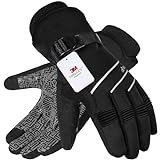
Overview: Engineered for extreme cold weather performance, MOREOK’s winter gloves protect hands in temperatures down to -30°F. Featuring 200-gram 3M Thinsulate insulation, these gloves target outdoor enthusiasts participating in skiing, cycling, motorcycle riding, and winter running. The technical construction balances warmth, waterproofing, and functional dexterity for active cold-weather pursuits.
What Makes It Stand Out: The double-waterproof system combines a TPU membrane laminated to the outer fabric with an additional waterproof film between insulation layers, ensuring hands stay dry without sacrificing breathability. Touchscreen-compatible fingertips on all thumb and finger sections allow device use without exposure. The wear-resistant nitrile rubber palm coating provides exceptional grip on tools and equipment, while the integrated terry cloth thumb patch offers a convenient way to wipe snow or fog from goggles and faces.
Value for Money: These gloves compete in the premium winter gear category, justified by the authentic 3M Thinsulate insulation and sophisticated waterproofing technology. Comparable to specialized ski gloves costing significantly more, they deliver professional features at a mid-range price point. For active winter sports enthusiasts, the durability and technical performance offer excellent long-term value over cheaper alternatives that fail in extreme conditions.
Strengths and Weaknesses: Strengths include superior insulation-to-weight ratio, genuine waterproof protection, excellent grip, comprehensive touchscreen compatibility, and adjustable wrist closure for customized fit. The extended cuff effectively blocks snow entry. However, the snug fit, while performance-oriented, may require careful sizing—potentially running small for some users. The multi-layer construction, though protective, can reduce tactile sensitivity compared to thinner liners.
Bottom Line: Excellent choice for dedicated winter sports participants and outdoor workers facing subzero temperatures. The MOREOK gloves deliver reliable protection and functionality, though users should verify sizing carefully to ensure optimal performance and comfort.
9. HANDLANDY Winter Work Gloves, 3M Thinsulate Waterproof Insulated Gloves, Warm Ski Glove for Shoveling Snow Outdoor, Gifts for Men Women

Overview: HANDLANDY designs these gloves specifically for demanding winter work environments, combining 3M Thinsulate insulation with comprehensive waterproofing. Built for tasks like shoveling snow, ice fishing, and industrial freezer work, they prioritize warmth and functionality in wet, frigid conditions. The unisex design accommodates both men and women, with sizing considerations noted for optimal fit.
What Makes It Stand Out: The full waterproof bag insert between shell and liner creates a complete moisture barrier, keeping hands dry during prolonged snow exposure. Reinforced anti-slip palm and fingertips enhance grip on tools and equipment while extending glove longevity in high-wear areas. Easy-pull tabs enable one-handed adjustment—a crucial feature when wearing bulky winter gear. Touchscreen capability on thumb and index fingers allows smartphone operation without removing gloves in freezing conditions.
Value for Money: These gloves offer work-grade durability at a competitive price point, positioned between budget ski gloves and premium workwear. The reinforced palm construction significantly extends lifespan compared to standard winter gloves, making them economical for regular outdoor workers. The inclusion of 3M Thinsulate at this price represents strong value, delivering professional warmth technology without professional pricing.
Strengths and Weaknesses: Key strengths include reliable waterproofing, excellent warmth-to-bulk ratio, reinforced grip zones, convenient adjustment features, and practical touchscreen compatibility. The work-specific design handles abuse well. However, sizing runs small, particularly for men, requiring careful measurement or sizing up. While insulated, they may not suffice for extreme subzero temperatures beyond typical winter work conditions. The bulk necessary for warmth can reduce fine motor control.
Bottom Line: Ideal for outdoor workers, homeowners tackling winter chores, and recreational users needing durable cold-weather protection. HANDLANDY gloves deliver reliable performance for snow removal and general winter activities, though sizing up is recommended for most men.
10. BBQ Gloves, 1472°F Heat Resistant Gloves Fireproof Mitts, Grilling Gloves Silicone Non-Slip Washable Oven Glove, Kitchen Glove for Barbecue, Grilling, Cooking, Baking, Camping, Smoker (Black)

Overview: These BBQ gloves claim exceptional heat resistance, certified to EN407 standards for protection up to 1472°F. The three-layer construction combines silicone strips, aramid fiber, and polyester-cotton to create a versatile cooking glove suitable for extreme grilling, baking, camping, and smoker applications. The ambidextrous design and included disposable gloves add practical value for serious cooking enthusiasts.
What Makes It Stand Out: The EN407 certification and 1472°F rating place these gloves in an elite category for consumer heat protection, far exceeding typical silicone mitts. The three-layer system strategically places silicone for grip, aramid fiber (used in firefighter gear) for heat resistance, and cotton-polyester for comfort and allergen prevention. The unique fire-pattern design is reversible, eliminating left/right confusion. The package includes 50 disposable gloves, providing food-safe handling options for raw ingredients during prep work.
Value for Money: Despite a premium price point, these gloves deliver professional-grade protection at a fraction of industrial glove costs. The inclusion of disposable gloves adds immediate value for food safety-conscious users. For those regularly handling extremely hot cookware or open-flame cooking, the certified protection justifies the investment over cheaper alternatives that may fail under intense heat, potentially preventing serious burns.
Strengths and Weaknesses: Strengths include exceptional certified heat resistance, effective non-slip silicone pattern, washable convenience, ambidextrous flexibility, and bonus disposable gloves. The three-layer construction provides comprehensive protection. However, the extreme heat rating may exceed typical home cooking needs, making them potentially over-engineered for casual users. The multi-layer design can reduce tactile sensitivity and dexterity compared to thinner gloves. Long-term durability of the aramid fiber layer under repeated washing remains uncertain.
Bottom Line: Best suited for serious barbecue enthusiasts, pitmasters, and campers regularly exposed to extreme heat. These gloves provide unmatched certified protection, though casual home cooks may find their capabilities unnecessary. The added disposable gloves make them a complete food handling solution.
Why Winter Grilling Demands Specialized Protection
Grilling in winter presents a perfect storm of hazards that summer cooks never face. Your hands contend with simultaneous threats: conductive heat from metal tools and grill surfaces that can exceed 600°F, while ambient temperatures and wind chill strip away warmth at an accelerated rate. This dual-threat environment creates unique risks for frostbite and burns occurring within the same cooking session. Standard leather welding gloves, while heat-resistant, absorb moisture and freeze solid. Traditional ski gloves insulate against cold but melt or combust when exposed to high heat. The fabric degradation happens faster in winter because materials become brittle in cold, compromising their protective qualities when you need them most. Your grip strength also diminishes by up to 50% in freezing temperatures, making slip-resistant surfaces not just convenient but essential for safety.
The Anatomy of High-Performance Insulated Gloves
Understanding how these specialized gloves are constructed helps you make informed decisions about what will work best for your specific grilling setup and climate. The best winter grilling gloves use a multi-layer approach that addresses different challenges simultaneously. Each layer serves a distinct purpose, working in concert to create a protective barrier that doesn’t sacrifice the tactile feedback you need to flip burgers, adjust vents, or handle tongs with precision. This sophisticated engineering explains why quality pairs command higher prices than standard alternatives.
Outer Shell Materials
The exterior layer faces the harshest punishment from both heat and weather. Premium options utilize aramid fibers similar to those in firefighter gear, providing inherent flame resistance that won’t wash out over time. These materials maintain their protective properties even when wet—a critical advantage when melting snow or handling frosty meat packages. Some manufacturers reinforce high-wear areas like palms and fingertips with silicone or leather patches, but these additions must be strategically placed to avoid creating cold spots or reducing flexibility where you need it most.
Insulation Layers
The middle layer determines warmth without adding excessive bulk. Modern synthetic insulations like Thinsulate or PrimaLoft trap body heat while remaining breathable enough to prevent the sweat buildup that leads to rapid cooling. The key is the “clo value”—a measure of thermal efficiency. For winter grilling, you want a clo value between 0.5 and 0.8, which provides warmth down to about 10°F while still allowing enough dexterity to operate a smartphone or thermometer. Natural down, while warm, fails in grilling applications because it collapses when wet and loses all insulating properties.
Inner Lining Comfort
The interior layer touches your skin and manages moisture from perspiration. Look for moisture-wicking fabrics that pull sweat away from your hands, preventing the damp chill that cuts cooking sessions short. Merino wool blends excel here, offering natural temperature regulation and odor resistance even after multiple uses. Seamless construction in the fingertips prevents irritation during extended wear, while a slightly loose fit at the wrist allows for easy on-and-off action when you need to quickly switch between tasks.
Critical Features to Evaluate
When comparing options, certain features separate adequate gloves from exceptional ones. These details often determine whether you’ll reach for your gloves enthusiastically or reluctantly every time you grill. Pay attention to how these elements work together rather than evaluating any single feature in isolation.
Heat Resistance Ratings
Manufacturers typically rate gloves by the temperature they can withstand for short contact periods. For grilling, you need protection against at least 500°F for 15 seconds to handle hot grates safely. However, winter grilling demands more because cold gloves take longer to warm up, meaning contact time increases. Look for ratings of 662°F (350°C) or higher, which provides a safety margin for handling chimney starters, adjusting coal baskets, or grabbing a cast iron pan handle that’s been sitting over flames. The rating should be certified by independent testing labs, not just claimed by the manufacturer.
Insulation Materials Decoded
Not all synthetic insulations perform equally in damp, cold conditions. Thinsulate comes in different weights measured in grams per square meter. For winter grilling, 100g to 200g offers the sweet spot—enough warmth without turning your hands into clumsy mittens. Some advanced gloves use aerogel insulation, the same material NASA uses in space applications. While expensive, aerogel provides unmatched warmth-to-thickness ratio, maintaining dexterity in extreme cold. Avoid cotton insulation entirely; it absorbs moisture and becomes a liability in winter conditions.
Waterproof and Weatherproof Barriers
Waterproofing prevents melted snow, ice, and meat juices from saturating insulation, but complete waterproofing can trap sweat inside. The best solutions use breathable membranes like Gore-Tex or similar technologies that block liquid water while allowing water vapor to escape. Fully taped seams are non-negotiable—any gap becomes an entry point for moisture that will rapidly conduct cold to your skin. Some gloves include a DWR (durable water repellent) coating on the outer shell that causes water to bead and roll off, extending the life of the waterproof membrane underneath.
Grip Technology for Slippery Conditions
Winter grilling means handling metal tools with cold, potentially wet hands while wearing insulated gloves—a recipe for drops and spills. Advanced silicone grip patterns should wrap around fingertips and palms in continuous designs that maintain contact regardless of how you hold tongs or spatulas. The silicone must remain pliable at temperatures down to -20°F without cracking. Some manufacturers embed gritty particles in the grip material, creating a sandpaper-like texture that bites into slick meat surfaces or frozen tool handles. Test the grip with wet hands if possible before purchasing.
Coverage Length Matters
Standard glove cuffs stop at the wrist, leaving a gap between glove and jacket sleeve where snow can enter and heat can escape. For winter grilling, gauntlet-style cuffs that extend 4-6 inches up the forearm provide crucial protection. This length prevents snow from falling inside your gloves when reaching across the grill and shields wrists from radiant heat when adjusting lower dampers. The cuff should feature an adjustable closure system—either a drawstring or Velcro strap—to seal out drafts while accommodating different jacket sleeve thicknesses.
Flexibility and Dexterity Balance
The eternal trade-off: more insulation means less dexterity. However, modern designs use pre-curved finger patterns that match your hand’s natural resting position, reducing fatigue and improving grip. Articulated knuckles and fourchette construction (individual fabric pieces between fingers) allow fingers to move independently rather than as a single unit. When trying gloves on, test by picking up a dime from a flat surface—if you can’t manage this, you won’t be able to handle small grill controls or thermometer probes effectively.
Durability Factors
Winter conditions accelerate wear through freeze-thaw cycles that stress stitching and materials. Double-stitched seams with Kevlar thread resist both heat degradation and cold embrittlement. Leather reinforcements should use top-grain leather treated with waterproofing oils that won’t harden when frozen. Check the warranty specifically for cold-weather failure—some manufacturers exclude freezing conditions, which tells you everything about their product’s suitability. A one-year warranty covering all conditions indicates confidence in winter performance.
Style Variations for Different Needs
Different glove configurations excel in specific situations. Your primary grilling style—quick weeknight burgers versus all-day smoking sessions—should influence your choice. Consider how often you’ll need to perform fine motor tasks versus simple grate adjustments.
Traditional Fingered Designs
Five-finger gloves offer maximum dexterity for handling small items like temperature probes, adjusting individual coals, or using smartphone apps for temperature monitoring. They work best for gas grill owners who primarily adjust knobs and handle food, not hot metal components. The downside is reduced warmth compared to mitten designs because fingers are isolated. For winter use, look for fingered gloves with slightly roomier fits that allow for thin liner gloves underneath on extremely cold days.
Mitten Configurations
Mittens keep fingers together in a single insulated chamber, sharing warmth and achieving higher overall temperature retention. They’re ideal for charcoal grillers who primarily handle tools with handles—tongs, spatulas, chimney starters—rather than manipulating small components. The warmth advantage becomes significant below 20°F. Modern mitten designs include articulated thumbs and sometimes index fingers, providing a surprising amount of functionality while maintaining the core warmth benefit that makes them superior for extended cold exposure.
Convertible Hybrid Options
Some innovative designs feature flip-top mittens that expose fingered gloves underneath, giving you the best of both worlds. The mitten top folds back and secures with magnets or Velcro, allowing quick transitions between high-dexterity tasks and warmth retention. These excel for complex cooks where you might need to trim a brisket (fingers exposed) then immediately return to tending a hot fire (mittens deployed). The trade-off is slightly reduced durability at the attachment points and potential cold spots where the flip-top connects.
Extended Gauntlet Styles
These gloves prioritize protection over everything else, extending well up the forearm with rigid cuffs that stay open for easy hand entry. They’re perfect for deep kettle grills or offset smokers where you reach over hot surfaces regularly. The extended length also protects jacket sleeves from sparks and grease splatter, which can damage expensive winter outerwear. While bulkier than other styles, the confidence they provide when reaching into a blazing hot grill in freezing conditions is worth the minor dexterity loss for serious winter grill masters.
Understanding Safety Standards
Reputable gloves carry certifications from organizations like EN (European Norm) or NFPA (National Fire Protection Association). The EN 407 standard specifically rates protection against thermal risks, including contact heat, convective heat, and molten metal splashes. For winter grilling, focus on the contact heat rating (levels 1-4) and convective heat rating (levels 1-4). Level 3 or higher in both categories indicates sufficient protection for regular grilling tasks. Some gloves also carry EN 511 ratings for cold protection, which measures resistance to convective cold, contact cold, and water permeability—directly relevant to winter grilling scenarios.
Finding Your Perfect Fit
Proper sizing affects both safety and warmth. Gloves that are too tight compress insulation, reducing its loft and effectiveness. They also restrict blood circulation, making your hands colder faster. Too loose, and you’ll lose dexterity while creating air gaps that reduce heat transfer efficiency. Measure your dominant hand’s circumference at the knuckles (excluding thumb) and compare to manufacturer sizing charts. For winter grilling, consider sizing up if you plan to wear liner gloves or have naturally poor circulation. The ideal fit allows you to make a fist without fabric pulling taut across your knuckles while keeping fingertips within ¼ inch of the glove ends.
Maintenance for Longevity
Even the best gloves require proper care to maintain their protective properties through multiple winter seasons. Neglecting maintenance compromises both heat resistance and insulation effectiveness, creating dangerous false confidence in worn-out equipment.
Proper Cleaning Techniques
Never machine wash high-performance grilling gloves. The agitation breaks down insulation and can compromise waterproof membranes. Instead, hand wash in lukewarm water with mild soap, focusing on exterior surfaces. For grease stains, use a dedicated leather cleaner on reinforced areas. Turn fingered gloves inside out to clean the lining, but do so gently to avoid seam stress. Avoid harsh detergents or bleach, which degrade flame-resistant properties. After washing, never wring out gloves—press between towels to remove excess moisture.
Drying and Storage Protocols
Air dry gloves at room temperature away from direct heat sources. Placing them on a radiator or in a dryer destroys waterproof membranes and shrinks leather components. Stuff gloves with newspaper or paper towels to absorb moisture from inside and help maintain shape while drying. Once completely dry, store them uncompressed in a breathable cotton bag—not plastic, which traps moisture. For summer storage, add cedar blocks or silica gel packets to prevent mildew growth in humid environments. Never store gloves in freezing conditions during off-season; repeated freeze-thaw cycles degrade materials even when not in use.
Inspection and Replacement Indicators
Before each winter season, inspect gloves thoroughly. Look for thinning areas in the palms, separated seams, or hardened spots on leather that indicate heat damage. Test waterproofing by placing a small amount of water on the exterior—it should bead up. If it soaks in immediately, the DWR coating has failed and the membrane is compromised. Flex gloves repeatedly; any cracking sound indicates material breakdown. Replace gloves immediately if you find any holes, even small ones, as they create pathways for heat and cold. Most quality gloves last 2-3 seasons with regular use, but heavy grillers may need annual replacement.
Budget Considerations and Value
Quality winter grilling gloves range from $30 to $150. Budget options under $40 typically use lower-grade insulation and lack certified heat ratings, making them suitable only for occasional gas grill use in mild cold. Mid-range gloves ($50-80) offer the best value for most grillers, combining certified protection with durable construction. Premium gloves above $100 justify their cost through advanced materials like aerogel, extended warranties, and specialized features like touchscreen compatibility or integrated thermometer pockets. Consider cost-per-use: a $75 pair that lasts three seasons costs less than $2 per month during grilling season—far less than a single emergency room visit for a burn or frostbite.
Common Buyer Mistakes
Many grillers purchase based on summer needs without considering winter realities. Buying gloves rated only for ambient temperature (like standard winter gloves) leaves you vulnerable to heat exposure. Conversely, choosing pure heat-resistant gloves without insulation turns your hands into ice blocks within minutes. Another frequent error is prioritizing dexterity over coverage—those sleek, flexible gloves might feel great indoors but expose wrists to dangerous cold and heat. Don’t assume one size fits all tasks; the gloves perfect for your pellet grill might fail miserably on a charcoal kettle. Finally, ignoring cuff length creates a vulnerability gap that snow and heat will exploit, rendering even the best hand protection ineffective.
Frequently Asked Questions
How do I know if my gloves are still safe to use after a season of winter grilling?
Perform a visual inspection for holes, thinning material, or separated seams. Test heat resistance by holding a hot cast iron pan handle for 10 seconds—if you feel heat building uncomfortably fast, the insulation has compressed and lost effectiveness. Check waterproofing by sprinkling water on the surface; it should bead up rather than soak in. Any glove that shows cracking when flexed or has hardened leather patches should be replaced immediately, as these indicate material breakdown that compromises protection.
Can I use my winter grilling gloves for other outdoor winter activities?
While tempting, it’s not recommended. The insulation and materials are optimized for short bursts of intense heat exposure, not continuous cold activity. Using them for skiing or snow shoveling will saturate the insulation with sweat, reducing their effectiveness for grilling. Additionally, the specialized grip patterns and reinforcements wear differently than activity-specific gloves. Keep a dedicated pair for grilling to ensure they maintain their protective properties when you need them most.
What’s the difference between waterproof and water-resistant gloves for winter grilling?
Water-resistant gloves repel light moisture and snow but will eventually soak through in heavy conditions or when handling wet meat. Waterproof gloves use membrane technology (like Gore-Tex) that blocks all liquid water while allowing sweat vapor to escape. For winter grilling, waterproof is strongly recommended because contact with snow, ice, and meat juices is inevitable. Water-resistant gloves suffice only for quick gas grill sessions in dry conditions.
How much dexterity should I expect to sacrifice for warmth?
Modern designs minimize this trade-off, but some sacrifice is inevitable below 20°F. You should still be able to operate grill knobs, handle tongs, and pick up a thermometer. If you can’t pinch and hold a single sheet of paper, the gloves are too bulky for safe grilling. Pre-curved fingers and articulated designs help maintain about 70-80% of your barehanded dexterity while providing adequate warmth. Consider keeping a pair of thinner, less-insulated gloves for high-dexterity tasks and switching to warmer pairs for extended fire management.
Are leather gloves better than synthetic for winter grilling?
Each has advantages. Leather offers superior durability and natural heat resistance but requires more maintenance and can stiffen when wet and frozen. High-tech synthetics provide consistent performance across conditions and often include better waterproofing, but may lack the “broken-in” feel of leather. Hybrid designs using leather in high-wear areas and synthetics elsewhere offer the best compromise for most grillers.
Should I wear liner gloves under my insulated grilling gloves?
Thin liner gloves add warmth on extremely cold days and keep insulation cleaner, but they reduce dexterity and can bunch up, creating hot spots. If you choose this route, use silk or synthetic liners—never cotton, which retains moisture. The liner should fit skin-tight without restricting circulation. Many winter grillers keep liners in a pocket and only use them when temperatures drop below 15°F, allowing flexibility based on conditions.
How long should a quality pair of winter grilling gloves last?
With proper care and moderate use (2-3 times per week during winter), expect 2-3 seasons before replacement. Heavy daily use may require annual replacement. The outer shell typically outlasts the insulation, which compresses over time. Keep a backup pair once your primary gloves reach the two-year mark. Never push gloves beyond their lifespan—degraded protection is worse than no protection because it creates false confidence.
Can I repair small holes or tears in my grilling gloves?
Never attempt DIY repairs on heat-resistant gloves. Sewing creates new holes that compromise protection, and most adhesives can’t withstand grilling temperatures. Patch kits designed for firefighter gear exist but cost nearly as much as new gloves and require professional application. Small holes mean it’s time for replacement. Your safety is worth more than the cost of a new pair.
Do I need different gloves for gas versus charcoal winter grilling?
Charcoal grilling demands higher heat resistance and longer cuffs due to direct coal contact and radiant heat from open lids. Gas grilling requires more dexterity for knob adjustments and electronic ignition systems but less extreme heat protection. If you use both, prioritize gloves that meet charcoal standards—they’ll be overbuilt for gas but safe. Conversely, gas-specific gloves may fail when you need to handle a chimney starter or rearrange hot coals.
What’s the best way to break in new winter grilling gloves?
Don’t immediately expose new gloves to extreme heat. Wear them around the house for short periods to let the insulation loft and materials flex. Treat leather components with a cold-weather conditioner before first use. Start with moderate grilling temperatures (300-350°F) for the first few sessions, allowing materials to adapt gradually. This prevents premature hardening and helps you learn the gloves’ feel before trusting them with high-heat tasks. Never accelerate break-in with artificial heat sources like ovens or hair dryers.
See Also
- 2026’s Top 10 Insulated Gloves for High-Heat Grilling Tasks
- 10 Best Fireplace Gloves for Outdoor Grilling Enthusiasts in 2026
- The 10 Ultimate Best Oven Gloves for Grilling and Baking in 2026
- The 10 Most Revolutionary Insulated Gloves for Extreme Grill Heat of 2026
- 10 Expert-Recommended Leather Grill Gloves for Charcoal Grilling in 2026