Table of Contents
Imagine the sizzle of perfectly seared steaks, the aromatic smoke curling into a warm evening sky, and the effortless hosting that comes with a seamless outdoor kitchen. For many homeowners, a built-in gas grill isn’t just a cooking appliance; it’s the centerpiece of their backyard sanctuary, transforming ordinary gatherings into memorable culinary experiences. As we move into 2026, the landscape of outdoor cooking has evolved dramatically, blending sophisticated technology with refined design. Choosing the right built-in unit is no longer just about size or fuel type—it’s a strategic decision impacting your home’s value, your lifestyle, and the very heart of your outdoor living space. Getting it wrong means years of compromise; getting it right means unlocking pure grilling joy.
The stakes are higher than ever. Today’s built-in grills integrate smart home ecosystems, offer unprecedented temperature precision, and are built with materials that withstand extreme weather while looking stunning for decades. Yet, with so many options and rapidly advancing features, the process can feel overwhelming. Should you prioritize fuel efficiency or smart connectivity? Is stainless steel worth the investment? How do you avoid costly installation mistakes? This guide cuts through the noise, focusing on the essential, future-proof considerations for 2026. We’ll explore the non-negotiables, debunk outdated myths, and empower you with the knowledge to select a grill that doesn’t just meet your needs today but adapts to your evolving outdoor lifestyle for years to come.
Top 10 Built-In Gas Grills
Detailed Product Reviews
1. Spire Premium 5 Burner Built In Gas Grill Island Head, Stainless Steel 30 Inch Propane Grill with Rear Burner, 63,000 BTUs, 750 SQ In Racks, Dual Fuel Compatibility - 740-0788P

Overview:
The Spire 740-0788P is a high-performance 30-inch built-in propane grill designed for serious outdoor kitchens. Featuring a robust stainless steel frame, dual fuel compatibility, and versatile cooking capabilities, it targets enthusiasts seeking durability and crowd-feeding capacity for large gatherings.
What Makes It Stand Out:
Its 63,000 total BTUs (five 10,000 BTU main burners plus a 13,000 BTU rear rotisserie burner) and expansive 750 sq in cooking surface stand out. Premium 304 stainless steel grates ensure even heat distribution and rust resistance, while dual fuel compatibility (propane/natural gas) offers long-term flexibility. The seamless stainless construction also enhances weather resilience.
Value for Money:
Priced competitively for its class, it delivers exceptional value with commercial-grade materials and dual fuel readiness rarely found under $1,800. While cheaper alternatives exist, they typically lack the rear burner, total BTU output, and stainless durability, making this a cost-effective investment for frequent entertainers.
Strengths and Weaknesses:
Strengths: Rapid 5-burner heating, rotisserie-ready rear burner, easy-clean stainless surfaces, rust-proof frame, and dual fuel potential.
Weaknesses: Rear burner may require separate rotisserie kit; assembly is complex for DIYers; premium price may deter casual users.
Bottom Line:
Ideal for hosting large groups, this grill’s power, durability, and versatility justify its cost. Highly recommended for built-in outdoor kitchens where performance and longevity are priorities.
2. Brand-Man Gas Grill Built-In Head, 30-Inch 4-Burner Propane Grill, Natural Gas Convertible, Heavy Duty 304 Stainless Steel 40,000BTUs BBQ Island Outdoor Kitchen

Overview:
This 30-inch 4-burner built-in grill offers natural gas conversion capability and versatile cooking tools. Designed for outdoor kitchen integration, it emphasizes user-friendly maintenance and multi-functional cooking with its unique griddle plate addition.
What Makes It Stand Out:
The included cast iron griddle plate (alongside two grates) enables diverse cooking styles—from searing steaks to pancakes—uncommon in grills at this price. Removable grease trays simplify cleanup, while natural gas convertibility (with separate kit) provides fuel flexibility. The 653 sq in total cooking space balances capacity with compact sizing.
Value for Money:
At a mid-range price point, it offers excellent utility for casual to regular entertainers. The griddle and gas conversion potential add value over basic 4-burner competitors, though the separate conversion kit cost slightly reduces initial value.
Strengths and Weaknesses:
Strengths: Versatile griddle plate, effortless grease management, solid 304 stainless build, and natural gas option.
Weaknesses: Lower 40,000 BTU output limits high-heat searing; warming rack space is modest; conversion kit sold separately increases total cost.
Bottom Line:
A practical, well-rounded choice for versatile outdoor cooking and easy upkeep. Best suited for households prioritizing flexibility over extreme power, earning a strong recommendation for mid-sized gatherings.
3. Spire Premium 6 Burner Built In Gas Grill Island Head, Stainless Steel 36 Inch Propane Grill with Rear Burner, 73,000 BTUs, 904 SQ In Racks with Dual Fuel Compatibility - 740-0781P

Overview:
The Spire 740-0781P is a 36-inch 6-burner powerhouse built for large-scale entertaining. With dual fuel compatibility and an industry-leading 904 sq in cooking area, it’s engineered for premium outdoor kitchens demanding maximum capacity and performance.
What Makes It Stand Out:
Its 73,000 total BTUs (six 10,000 BTU burners plus rear burner) and colossal 904 sq in surface dwarf most competitors. Premium 304 stainless steel construction throughout ensures longevity in harsh conditions, while dual fuel readiness future-proofs your investment. The seamless design minimizes maintenance hassles.
Value for Money:
Positioned at the higher end of the market, it justifies its cost through unmatched capacity and commercial-grade materials. Cheaper 6-burner grills often compromise on stainless thickness or BTU output, making this a worthwhile splurge for serious entertainers hosting 15+ guests regularly.
Strengths and Weaknesses:
Strengths: Massive cooking space, exceptional heat output, dual fuel flexibility, rust-proof durability, and even heating.
Weaknesses: Premium price may exceed budgets; size demands substantial outdoor kitchen space; rear burner functionality requires optional accessories.
Bottom Line:
For those needing pro-level capacity without sacrificing quality, this grill is unmatched. Highly recommended for luxury outdoor kitchens where space and frequent large gatherings are priorities.
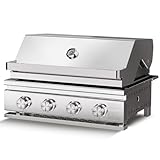
4. Premium Built In 4 Burner Propane Gas Grill, ALL-Thickened 304 Stainless Steel, 32,000 BTU with 516sq.in. Cooking Space, Baking Tray & Grates,for Patio Backyard Parties Barbecue
Overview:
This no-frills 4-burner built-in grill emphasizes heavy-duty construction with its “ALL-Thickened” 304 stainless steel design. Targeting durability-focused buyers, it offers essential grilling performance in a compact, propane-only format ideal for smaller patios.
What Makes It Stand Out:
The reinforced 2mm+ body thickness and extra-thick grates (10.5mm) and trays (6mm) prioritize structural resilience over high-BTU output. Pre-assembled delivery eliminates complex setup, while the included rain cover protects against elements—uncommon in entry-level built-ins.
Value for Money:
Its budget-friendly price delivers surprising durability for infrequent users or small spaces. However, the 32,000 BTU output and 516 sq in space lag behind pricier models, making it best for 4–8 person gatherings rather than serious entertaining.
Strengths and Weaknesses:
Strengths: Exceptional material thickness for longevity, tool-free setup, included rain cover, and easy integration into small kitchens.
Weaknesses: Low BTU rating limits searing; propane-only (no natural gas option); minimal warming rack space; lacks premium features like rear burners.
Bottom Line:
A solid, durable workhorse for casual backyard use where space/budget are constraints. Recommended for small households seeking reliability over high-performance features.
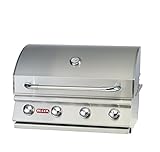
5. Bull Outlaw 30-Inch Built-In Grill (BG-26039), Natural Gas
Overview:
Bull’s Outlaw series delivers professional-grade performance in a 30-inch natural gas built-in unit. Engineered for seamless outdoor kitchen integration, it combines high heat output with rugged 304 stainless steel construction for reliable, long-term use.
What Makes It Stand Out:
The 60,000 BTU output (four 15,000 BTU burners) and single-piece dual-lined hood maximize heat retention—a rarity in this class. Piezo igniters ensure reliable starts, while the 575 sq in cooking area (including 176 sq in warming rack) balances capacity with precision control for serious grilling.
Value for Money:
Priced mid-to-high range, it offers commercial-tier durability and consistent performance that outlasts cheaper alternatives. Natural gas operation reduces long-term fuel costs, enhancing value for frequent users despite the lack of propane compatibility.
Strengths and Weaknesses:
Strengths: Powerful burners, superior heat retention hood, dependable ignition, and corrosion-resistant build.
Weaknesses: Natural gas only (no conversion option); warming rack space could be larger; higher initial cost than entry models.
Bottom Line:
An exceptional choice for natural gas-ready outdoor kitchens prioritizing heat control and durability. Strongly recommended for enthusiasts seeking restaurant-quality results in a residential setup.
6. Blaze Prelude LBM Built-In Propane Gas Grill | 32-Inch 4-Burner BBQ with 56,000 BTUs | 304 Stainless Steel Construction | Flame Stabilizing Grids | BLZ-4LBM-LP

Overview: The Blaze Prelude LBM is a high-performance 32-inch built-in propane grill engineered for serious outdoor chefs seeking commercial-grade reliability in a residential setting. Its robust construction and focused feature set target longevity and precise heat control.
What Makes It Stand Out: Totaling 56,000 BTUs from four stainless steel burners, it delivers intense, even searing heat. The all-304 stainless steel build ensures exceptional weather and corrosion resistance, while removable heat zone separators enable multi-zone cooking. Flame stabilizing grids minimize flare-ups significantly, enhancing both safety and consistent results.
Value for Money: Priced competitively for premium built-ins, its lifetime residential warranty underscores long-term value. While alternatives may offer more burners, Blaze’s focus on durability, precise engineering, and the included warranty provides superior peace of mind compared to similarly priced models with thinner materials.
Strengths and Weaknesses: Strengths: Unmatched stainless steel durability; excellent heat distribution; versatile temperature zoning; strong warranty. Weaknesses: No rear or side burner; limited cooking surface (640 sq in) versus competitors; propane-only (no natural gas option).
Bottom Line: An exceptional investment for purists prioritizing build quality and consistent performance over frills. Ideal for dedicated outdoor kitchens where longevity is paramount. Highly recommended for serious grillers.
7. BODEGA 5 Burner Built In Gas Grill Island Head, Stainless Steel 30 Inch Propane Grill with Rear Burner, 58000 BTUs, 988.5 SQ In Racks, Dual Fuel Compatibility, Gas Grill Outdoor Cooking, BBQ Fork Kit.

Overview: The BODEGA 5-burner grill is a feature-rich, dual-fuel-capable powerhouse designed for large-scale entertaining, boasting an expansive cooking surface and versatile accessories right out of the box.
What Makes It Stand Out: Its 58,000 BTUs (including a dedicated 10,000 BTU rear infrared burner) and massive 988.5 sq in cooking area stand out. The included stainless steel rotisserie kit and dual-fuel readiness (propane included, natural gas conversion kit sold separately) add significant versatility. The easy-clean, dishwasher-safe grease tray is a notable maintenance advantage.
Value for Money: The included rotisserie kit and large cooking space offer tangible savings versus buying accessories separately. While not the cheapest 5-burner option, the combination of power, dual-fuel potential, and thoughtful extras like the grease tray provides strong mid-range value for frequent entertainers.
Strengths and Weaknesses: Strengths: Huge cooking capacity; powerful rear infrared burner; excellent cleanup features; rotisserie kit included; dual-fuel flexibility. Weaknesses: Natural gas conversion kit not included; stainless steel quality feels thinner than premium brands; complex assembly.
Bottom Line: A compelling choice for hosting large gatherings, offering excellent power and versatility. Best suited for those needing maximum cooking space and rotisserie functionality without ultra-premium pricing. Recommended for social grillers.
8. 28-inch Built In Gas Grill Outdoor, 4Burner Propane Grill with Rear Burner 48,000BTU, Built-in BBQ Grill Stainless Steel, Charcoal and Propane Gas Dual Fuel, with Rain Cover for Outdoor Kitchen Island

Overview: This versatile 28-inch grill uniquely combines propane power with optional charcoal grilling, targeting users seeking fuel flexibility and value in a compact built-in unit.
What Makes It Stand Out: The standout feature is true dual-fuel capability—seamlessly switch between propane (48,000 BTUs + 13,000 BTU rear burner) and charcoal using the included tray. The LED-lit control knobs aid nighttime grilling, and the included rain cover adds immediate weather protection.
Value for Money: The included charcoal tray and rain cover enhance perceived value. While the total BTU output (61,000) is competitive, the lower primary burner BTUs (12,000 each) and thinner stainless steel construction make it a budget-friendly option rather than a premium one, especially for those wanting charcoal flavor.
Strengths and Weaknesses: Strengths: Genuine dual-fuel flexibility; included charcoal tray and rain cover; LED control knobs; spacious 653 sq in cooking area. Weaknesses: Lower main burner output per burner; stainless steel feels less robust; charcoal mode may compromise temperature consistency; rear burner power limited.
Bottom Line: A smart pick for budget-conscious buyers who prioritize fuel versatility and included extras over top-tier build quality. Ideal for casual grilling with occasional charcoal cravings. Recommended with reservations for value-focused setups.
9. Hygrill STD Series 32-Inch Built In Grill, Stainless Steel 4-Burner Grill Head for Outdoor Kitchen, Natural Gas

Overview: The Hygrill STD Series is a no-frills, natural gas-specific built-in grill emphasizing straightforward installation and professional-grade performance for permanent outdoor kitchen integration.
What Makes It Stand Out: Its pre-assembled state (excluding grates) and inclusion of all necessary gas hookup accessories streamline installation significantly. The 56,000 BTU output across four burners and 748 sq in cooking surface deliver robust, even heat distribution suitable for serious home chefs.
Value for Money: Positioned as a mid-tier option, its value lies in hassle-free setup—no hunting for extra parts. While lacking premium extras like rear burners, the focus on core performance (304 stainless steel, high BTU) and included hardware offers solid value for buyers prioritizing ease of installation and reliability.
Strengths and Weaknesses: Strengths: Extremely easy installation with all parts included; weather-resistant 304 stainless steel; strong 56,000 BTU output; large cooking area. Weaknesses: Natural gas only (no propane option); no rear/side burners; minimal additional features (e.g., no rotisserie); basic aesthetics.
Bottom Line: The top recommendation for buyers seeking a reliable, easy-to-install natural gas built-in grill without complex features. Perfect for straightforward outdoor kitchen builds where simplicity and performance matter most. Highly recommended for NG setups.
10. COWSAR 28-Inch Gas Grill Built-In Head, 4-Burner Propane Grill, Heavy Duty 304 Stainless Steel Construction, 8000 * 4 BTU Built-In Grill for Outdoor Cooking

Overview: The COWSAR 28-inch grill focuses on versatile cooking configurations and durable construction within a compact footprint, targeting space-conscious outdoor kitchens needing multi-functional use.
What Makes It Stand Out: Its included griddle plate alongside standard grates and warming rack creates exceptional versatility (509 sq in total). Heavy-duty 304 stainless steel construction and a 5-year burner warranty highlight durability. The integrated design ensures seamless countertop integration.
Value for Money: The inclusion of a griddle plate and warming rack adds significant utility over competitors at similar price points. While the 32,000 total BTU output is modest, the focus on even heating and versatile cooking surfaces offers good value for breakfast/weekend warriors wanting more than just grilling.
Strengths and Weaknesses: Strengths: Excellent cooking versatility (grill/griddle); robust 304 stainless steel build; space-efficient design; strong 5-year warranty; easy installation. Weaknesses: Lower total BTU output (32,000) limits high-heat searing; smaller primary cooking area (245 sq in); propane-only.
Bottom Line: A standout for versatility and build quality in compact spaces, ideal for those wanting to grill, sear, and cook breakfast items. Best for moderate-heat cooking enthusiasts; less suited for intense searing. Recommended for versatile, durable small-scale setups.
Understanding Your Space and Setup Requirements
Before diving into burner configurations or smart features, you must objectively assess your outdoor environment and structural needs. This foundational step prevents costly rework and ensures your dream grill integrates flawlessly.
Measuring Your Cavity Dimensions Accurately
Precision is non-negotiable. Measure the width, depth, and height of your intended cutout space multiple times, accounting for any cabinet framing, countertop overhang, or adjacent appliances. Remember that required clearance zones (specified in the grill’s manual) often extend beyond the unit’s physical dimensions for heat dissipation and ventilation. Ignoring these specs risks fire hazards and voids warranties.
Evaluating Ventilation and Airflow Needs
Built-in grills generate immense heat that must escape safely. Assess how air will flow around the unit within your enclosure. Will your cabinet design incorporate adequate lower and rear vents? Is there sufficient overhead clearance from combustible materials like pergola beams? Poor airflow leads to overheating, component failure, and potential safety issues—don’t assume standard cabinet cutouts are sufficient.
Confirming Gas Line Compatibility and Sizing
Don’t overlook the invisible infrastructure. Verify your existing gas line’s type (natural gas or propane), pressure, and pipe diameter meet the grill’s specific requirements. An undersized line causes weak flames and uneven cooking; retrofitting later is expensive and disruptive. Consult a licensed plumber early to avoid surprises during installation.
Key Performance Features to Prioritize
Performance separates a functional grill from an exceptional one. In 2026, focus shifts beyond basic BTUs to nuanced cooking capabilities and user experience.
Burner Configuration and Material Quality
Consider how you actually cook. Multiple independent burners offer zone control for simultaneous searing and warming. Look for materials like cast stainless steel or heavy-duty brass that resist warping and corrosion far longer than cheaper alternatives. Avoid hollow tube burners—they clog easily and lack durability.
Ignition System Reliability and Redundancy
A frustrating start ruins the experience. Modern systems blend push-button ignition with reliable backup methods. Seek units featuring hybrid systems (e.g., electronic plus manual match-lit capability) and sealed ignition components protected from grease and moisture. Test the mechanism in-store if possible—smooth operation matters.
Temperature Control Precision and Range
True versatility demands precise heat management. Evaluate how finely the control knobs adjust flame output. Does the grill maintain steady low temps for slow roasting (around 200°F) as effectively as it hits searing highs (500°F+)? Look for well-insulated fireboxes and tight-fitting lids that minimize heat loss.
Cooking Surface Materials and Layout
Your grates define food contact. Porcelain-coated cast iron offers superior heat retention for searing but is heavy; stainless steel rods are durable and easier to clean but may not get quite as hot. Consider grate shape—ridged for classic sear marks, flat for delicate items like fish. Ensure the layout includes space for indirect cooking zones.
Heat Distribution and Evenness Testing
Uneven hot spots lead to burnt edges and raw centers. Research independent tests (or ask dealers) about heat distribution across the entire cooking surface. Features like flame tamers or heat diffusers above burners help spread heat evenly and protect burners from grease flare-ups.
Emerging Technologies and Future-Proofing
2026 brings innovations that enhance convenience and results, but not all are essential. Focus on tech that solves real problems without complicating the core grilling experience.
Smart Connectivity That Actually Adds Value
Move beyond gimmicks. Useful smart features include remote temperature monitoring via app (so you’re not tethered to the grill), automatic shut-off for safety, and maintenance reminders. Ensure the system uses standard Wi-Fi (not proprietary hubs) and has a proven track record of software updates—avoid tech likely to become obsolete in two years.
Advanced Temperature Probes and Monitoring
Integrated, multi-channel probes that monitor both grill ambient and internal meat temps are game-changers. Look for systems with clear displays (visible in sunlight) and alerts sent to your phone. This takes the guesswork out of achieving perfect doneness, especially for large cuts or poultry.
Enhanced Fuel Efficiency Innovations
Sustainability matters. Newer burners and heat management systems extract more cooking power from less fuel, reducing both your carbon footprint and operating costs. Research units featuring optimized burner ports or infrared technology that transfers heat more directly to food.
Integrated Lighting Solutions
Cooking after sunset shouldn’t be a safety hazard. Built-in, glare-free task lighting above the cooking surface is a must-have upgrade. Prioritize LED systems with warm color temperatures that illuminate food without washing out details, ideally controlled separately from the main power.
Installation and Long-Term Value Considerations
Your grill is a permanent fixture, so installation quality and long-term ownership costs are critical factors often underestimated during the initial purchase.
Professional Installation vs. DIY Realities
While DIY seems cost-effective, improper installation is the top cause of early failures and safety issues. Built-ins require precise leveling, gas line sealing, electrical connections (for lights/smart features), and structural integration. Factor in professional installation costs upfront—it’s insurance for performance, safety, and warranty validity.
Warranty Coverage Depth and Real-World Support
Scrutinize warranty terms beyond headline years. What’s covered? (Burners? Ignition? Electronics?) How are claims handled? A “lifetime” warranty on stainless steel might only cover perforation, not surface rust. Research the manufacturer’s reputation for honoring warranties and parts availability—some obscure brands vanish, leaving you stranded.
Ease of Maintenance and Part Accessibility
A grill hidden in cabinetry must be serviceable. Check if burners, ignition parts, and grease management systems are easily removable for cleaning or replacement without disassembling your entire outdoor kitchen. Complex designs look sleek but become nightmares for routine upkeep.
Material Longevity in Your Climate
Coastal salt air, harsh winters, or intense sun demand specific materials. 304-grade stainless steel is the benchmark for corrosion resistance; avoid cheaper 430-grade near oceans. Verify if painted components use UV-stable finishes. Investing in climate-appropriate materials prevents premature deterioration and costly replacements.
Frequently Asked Questions
How much should I realistically budget for a quality built-in gas grill in 2026?
Focus on total installed cost, not just the unit price. Entry-level reliable models start around $1,500, mid-range performance units range from $2,500-$4,500, and premium professional-grade systems exceed $5,000. Remember to add 15-25% for professional installation and necessary gas line upgrades.
Is natural gas or propane better for a built-in setup?
Natural gas offers convenience (no tank refills) and lower long-term fuel costs if your home is already piped. Propane provides higher portability and consistent BTU output regardless of line pressure. The choice hinges on your home’s existing infrastructure and local fuel costs—conversion kits exist but add complexity.
How do I prevent grease fires in a built-in installation?
Critical prevention includes: installing a high-quality grease management system that channels drippings safely away, ensuring proper clearance around the burner box, never leaving the grill unattended while preheating, and cleaning grease trays/ducts regularly. Your cabinet design must incorporate adequate ventilation.
Are infrared burners worth the extra cost?
Infrared burners excel at achieving extremely high searing temperatures (700°F+) quickly and efficiently, ideal for steaks and chops. However, they’re less versatile for low-and-slow cooking. Consider them a valuable supplement to standard burners, not a full replacement, if searing is a top priority.
What’s the minimum clearance needed around a built-in grill?
Always follow the specific manufacturer’s manual, but general minimums are: 6-12 inches on sides/rear from combustibles, 36+ inches overhead from unprotected wood/ceiling, and 12+ inches from non-combustible surfaces like stone. Ventilation openings in cabinetry are usually required—never enclose the unit tightly.
How long should a well-maintained built-in gas grill last?
With proper care (regular cleaning, covering when not in use, addressing minor issues promptly), a quality stainless steel unit should last 10-15 years. Cheaper materials or neglect can shorten this to 5-7 years. Professional-grade models often exceed 15 years with maintenance.
Can I install a built-in grill under an outdoor kitchen canopy or roof?
Yes, but overhead clearance is critical. Maintain at least 36 inches (often more—check manual) between the grill lid and any combustible roof material. Non-combustible materials like stone or metal allow less clearance. Never install directly under a low, enclosed ceiling without professional ventilation design.
What’s the biggest mistake people make when buying a built-in grill?
Choosing the largest unit that fits the space without considering actual cooking needs or gas line capacity. Oversized grills waste fuel, take longer to heat, and strain undersized gas lines, leading to poor performance. Prioritize features and fit over sheer size.
How do I know if my existing outdoor kitchen cabinet can support a new grill?
Measure your cavity against the grill’s exact cutout specs (including clearance zones). Verify cabinet construction uses non-combustible materials (like stainless steel liners) within critical zones. Most importantly, ensure the cabinet structure is rigid enough to support the grill’s weight without flexing when opened.
Are smart grill features reliable enough to justify the cost in 2026?
Reliability has improved significantly. Focus on brands with proven, simple smart integrations (like basic temp monitoring via Bluetooth) rather than complex ecosystems. Avoid features requiring proprietary hubs. If remote monitoring or precise temp alerts enhance your experience, the investment is worthwhile—but never sacrifice core cooking performance for tech.